How Building Community Made Me a Better Software Quality Advocate
If you had told me in 2021 that I would spend 2022 working as a community builder, I may have giggled at you and told you that I may have been burned out, but surely you had the wrong girl.
I’ve always been the type of community member who lurks in the corners and sees all the posts, but might only offer up a thumbs up or the occasional poll response (and only if it was something I felt strongly about). At the beginning of the pandemic, I shut off all of my social media accounts for the sake of my mental health and the ridiculous amount of doom-scrolling I found myself doing.
Read on to learn about my past year in community building and how I became a better software quality advocate and developer in the process!
How Did I Get Here?
Working remotely as the only QA was only slightly more isolating than working in an open office where everyone comes in, puts on noise-canceling headphones, and doesn’t speak for 8 hours a day. When I say I was burnt out, I really do mean that if I wrote one more automation that the devs took credit for and then promptly negated, I was going to be a cautionary tale. When I started casually looking for something new, Jace the recruiter reached out to me for a position working as a community builder and I met Tristan Lombard.
Tristan made community-building sound so easy. This was a chance to reconnect with humans, advocate for software quality, be more creative, and learn something new. For the past many years, I was either locked away in a cubicle or the only QA and the only woman in a 5-mile radius. I would be writing, recording videos, planning and hosting events, and educating — getting back to a side of me I had neglected while cranking out test cases.
It was the perfect change-up.
Jumping in With Both Feet
When I say I was unprepared for this new role, I don’t mean that I didn’t have the skills to plan an event or write a post about how object-oriented programming works. I mean there are emotional challenges that come along with starting a new job, but it’s an even bigger one when that job is centered on making quality connections, building trust, and being authentically you. It was that last part I found hardest. It involved letting go of a lot of workplace trauma I didn’t realize I had.
It was overcoming those things that I had conditioned myself not to do or not to be that held me back the most. It’s especially difficult to be in QA and put yourself out there. What if I miss a comma or leave something out? Hasn’t it been my job to check for these things?
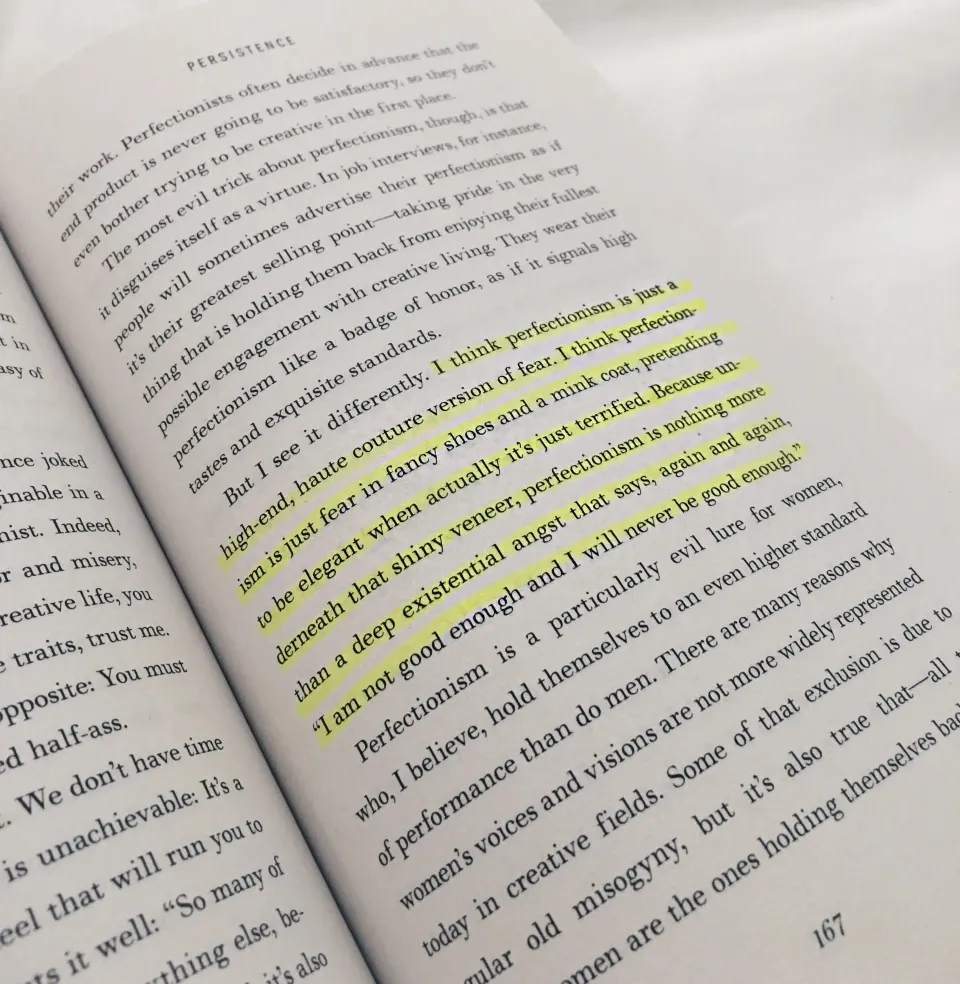
Putting ourselves out there is scary and you might think that you just don’t have time to take on one more task every day. Unless you’re aiming to be a content creator, social media influencer, or community builder, you don’t have to put out new stuff like clockwork. Lurking is okay, but engagement is better. Take little steps until you feel more comfortable or dive right in.
If you’re looking to make social media or online communities work for you, here are 5 tips I found worked best to get acclimated to being an activity member:
- Find the format that works best for you.
There are communities of all sorts for just about everything. Slack and Discord offer asynchronous conversations. Twitter Spaces are the interactive podcasts we all need. Forums are making a comeback as a repository of searchable information. - Introduce yourself.
It’s a small thing, but post a hello and let people know what you’re into and hoping to find. The best connections I’ve made have been people who shared that other interest with me. (I know this is a QA space, but I need to know how your plants look so healthy!) - Join the weird channels. (Pets/Random/Book Club)
Is there a channel in your slack for recommended podcasts and books? Maybe there’s a place where parents can help each other out or people share pictures of their pets. Sub-communities are where the good stuff happens. Find new music or a kindred spirit in cosplay that you didn’t know before. - Follow and connect with the people who inspire you.
I hate to say it, but your social media accounts aren’t just for people you went to high school with and your weird aunt who likes to say the things she shouldn’t at family dinners. Those people are great, but instead follow people who are sharing information about your favorite tech, your career dreams, or even just some daily motivation. - Emojis and gifs are your friends.
Humans rely on more than just words to communicate and in a virtual environment, some of it gets lost. We don’t have a tone of voice or body language to rely on so it’s okay to say it with an emoji to let people know you’re worried or happy. A gif can go a long way too!
The True Power of Community
There are many ways to look at being part of a community — it only matters where the value is for you and the specific community itself. You only get what you put in — so be the squeaky wheel if you want to. You’re not bothering anyone.
As a Resource:
If there’s a question that pops into my head, at least one other person in the world will likely be looking for the answer as well. It will never fail to amaze me how many things you can be exposed to just in a casual conversation about something else. Some of the best tools and ideas I now use daily have come from someone saying something like “Let me add it to Asana!” or “Check out this blog on Substack.”
As a Vehicle for Growth:
Continuous learning comes from exposure to these new ideas, processes, and tech. Every new connection means a chance at these and often is accompanied by camaraderie and a perspective you never had. It will never fail to amaze me how many things you can be exposed to just in a casual conversation about something else. Some of the best tools I now use have come from someone telling me how it made some daily tasks easier.
On the other hand, if you have the answer to something and a few minutes to type it out or can offer a quick call, not only are you able to make a powerful connection, but there’s something special in helping someone else along their path that pushes you further down yours.
As a Support System:
It’s amazing how many people want to see you succeed. Read that part again.
When you get involved in a community, you become a part of it. Support and accountability are a part of the deal.
For me, the bravery to step outside my comfort zone has come from the rallying cries and life hacks of my community. Without the support I received from them, I wouldn’t have had the courage to submit my first conference papers or work toward my first Salesforce certification. Their encouragement continues every day as they commiserate in rough times and cheer when something amazing happens.
It’s that sense of belonging that is a vital part of not getting burned out.
Where to Go From Here:
It’s been a year of adventure and as we look forward to a new year, I’ve never been one for New Year’s resolutions, but I can say that now that I have community in my life I will never be the same.
No matter where the path leads next, I know I don’t have to walk it alone and I hope you won’t either.
Find my favorite communities here:
Ministry of Testing
Women in Testing
Ohana Slack
Wizard of Ops
D&D Newbie Sessions